Winter Trail Safety: Essential Mountain Biking Tips for Cold Weather
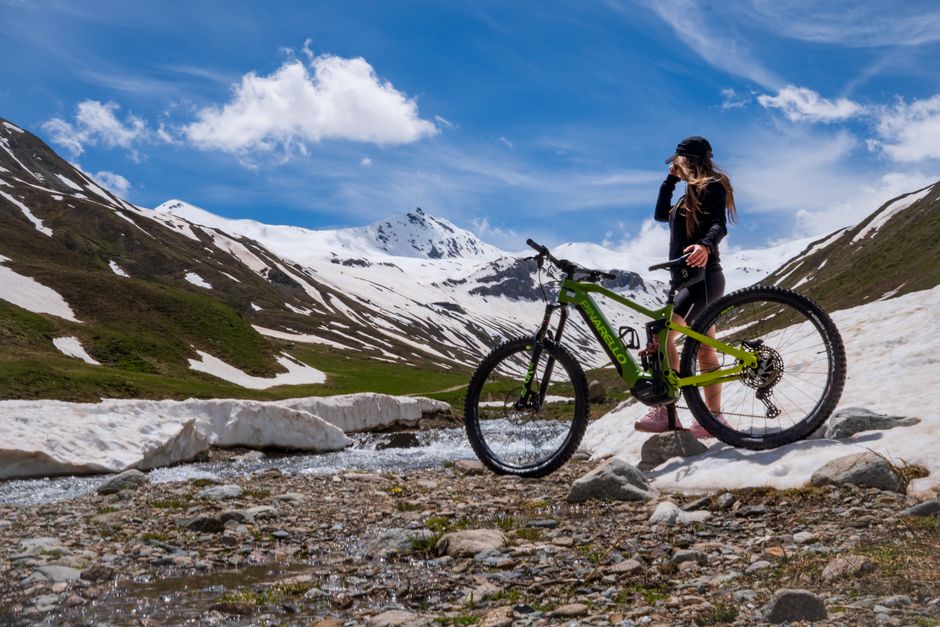
Winter Trail Safety: Essential Tips for Riding Mountain Bikes in Cold, Wet, and Unpredictable Conditions
Winter mountain biking isn't for the faint-hearted, but it's one of the most rewarding experiences you can have on two wheels. There's something magical about riding through crisp winter air, tackling trails that test your skills in ways summer riding never does. However, winter conditions bring unique challenges that require preparation, awareness, and respect for the elements.
Whether you're a seasoned rider who refuses to hibernate through winter or someone considering their first cold-weather adventure, understanding how to stay safe on winter trails is essential. Let's explore the key considerations that will keep you riding safely and confidently throughout the colder months.
Understanding Winter Trail Conditions
Winter trails are dramatically different from their summer counterparts. What was a fast, flowing section in August might become a treacherous ice rink in February. Understanding these changes is your first line of defence.
Frozen ground can be deceptively grippy one moment and lethally slippery the next. Morning rides often mean encountering frost or ice that hasn't yet thawed, particularly on north-facing slopes or shaded sections that never see direct sunlight. These conditions demand smooth, deliberate riding, anticipating grip levels rather than reacting to loss of traction.
Mud is perhaps winter's most constant companion on UK trails. February typically brings the worst of it, after months of rainfall have saturated the ground. Deep, sticky mud doesn't just slow you down, it can hide roots, rocks, and ruts that would be visible in drier conditions. Approach muddy sections with caution, keeping your weight balanced and your movements fluid.
Wet leaves and organic debris create surprisingly slippery surfaces, particularly on wooden features like bridges and boardwalks. What feels secure under your tyres in summer becomes skating-rink slick when wet. Always reduce speed approaching these sections and avoid sudden braking or steering inputs.
Visibility: Being Seen and Seeing Clearly
Winter days are short, and even daytime rides often mean riding in low-light conditions. Visibility becomes a critical safety factor that demands attention before every ride.
Invest in quality lighting for both front and rear. A powerful front light (at least 800 lumens for trail riding) isn't just about seeing where you're going, it helps you read trail texture and spot obstacles earlier. Your rear light should be bright and preferably have a flashing mode for maximum visibility to others.
Reflective elements on your clothing, helmet, and bike make an enormous difference to how visible you are to other trail users, dog walkers, and any road sections you need to cross. Bright colours help during daylight hours, particularly high-visibility orange or yellow that contrasts with winter's muted palette.
Keep your glasses or goggles clean and consider anti-fog treatments. There's nothing more dangerous than suddenly losing vision mid-descent because your eyewear has fogged up. Many riders prefer clear or lightly tinted lenses in winter to maximise available light.
Layering and Body Temperature Management
Staying warm isn't just about comfort, it's a safety issue. Cold muscles don't respond as quickly, and hypothermia can creep up on you if you're not prepared.
The key to winter riding comfort is effective layering. Start with a moisture-wicking base layer that pulls sweat away from your skin. Add an insulating mid-layer for warmth, and top it with a windproof and water-resistant outer shell. The beauty of this system is adaptability, you can remove or add layers as conditions and your exertion levels change.
Your extremities need special attention. Quality winter gloves that maintain dexterity while keeping fingers warm are essential for maintaining brake control. Winter-specific cycling socks and shoe covers prevent numb toes that can't feel pedals properly. Don't forget a thermal cap or headband under your helmet, significant body heat escapes through your head.
Carry an extra layer in your pack. If you have a mechanical issue or crash and need to stop for an extended period, that warm jacket becomes critical safety equipment.
Adjusting Your Riding Style
Winter riding demands a more measured, calculated approach than summer's confident aggression. This isn't about riding timidly, it's about riding intelligently.
Reduce your speed on descents and allow more distance for braking. Wet brakes have reduced stopping power, and cold hands may not grip as firmly. Anticipate corners earlier, setting up your line with more care and avoiding late braking.
Stay loose on the bike. Tension in your body transfers to your bike, making it harder to absorb terrain changes and more likely to lose traction. Keep your weight centred and your movements smooth and progressive rather than sudden and aggressive.
Choose your lines carefully, especially through muddy or icy sections. Sometimes the muddy line is actually safer than the icy track beside it. Use your judgement and don't be afraid to dismount and walk technical sections if conditions make them unreasonably risky.
Mechanical Preparedness
Cold weather is hard on bikes and increases the likelihood of mechanical issues. Being prepared can prevent a minor problem from becoming a dangerous situation.
Carry essential tools and spares: a multi-tool, spare tube or tubeless repair kit, tyre levers, pump or CO2 inflator, and chain links. Cold fingers make repairs more difficult, so familiarise yourself with these tasks before you need to perform them trailside in freezing conditions.
Check your bike before every ride. Winter conditions accelerate wear on brake pads, chains, and drivetrains. A quick pre-ride check of brakes, tyres, and drivetrain can identify issues before they strand you miles from home.
Consider lowering your tyre pressure slightly for winter riding. This increases the contact patch and can improve grip on slippery surfaces, but don't go so low that you risk pinch flats on frozen ground.
Know When to Call It
Perhaps the most important winter safety skill is knowing when conditions are too dangerous to ride. Ice-covered trails aren't worth the risk of serious injury. Flooding that obscures trail features creates hidden dangers. Extreme cold that risks frostbite or hypothermia shouldn't be ignored.
Always tell someone where you're riding and when you expect to return. Carry a fully charged mobile phone in an inside pocket where body heat prevents the battery from draining. Consider riding with a companion in winter, there's safety in numbers and someone to help if things go wrong.
Embrace the Challenge
Winter mountain biking isn't about merely surviving until spring, it's about embracing a different kind of riding that builds skills, mental toughness, and deep appreciation for the sport. The trails are quieter, the air is crisp, and every ride feels like an achievement.
By respecting winter's challenges and preparing properly, you can ride safely and confidently throughout the coldest months. The riders who master winter conditions often find themselves significantly stronger and more skilled when spring arrives.
At Simons Bike Shop, we understand what it takes to keep riding through winter. Every bike we sell has been thoroughly safety checked by our in-house workshop, and we're always happy to chat about winter riding tips, maintenance advice, or help you find the right bike for year-round adventures.
Stay safe out there, dress appropriately, ride within your limits, and most importantly, enjoy every moment on the trails. Winter mountain biking isn't just about surviving the cold, it's about thriving in it.