Summer Trail Prep: Essential Checks Before You Ride
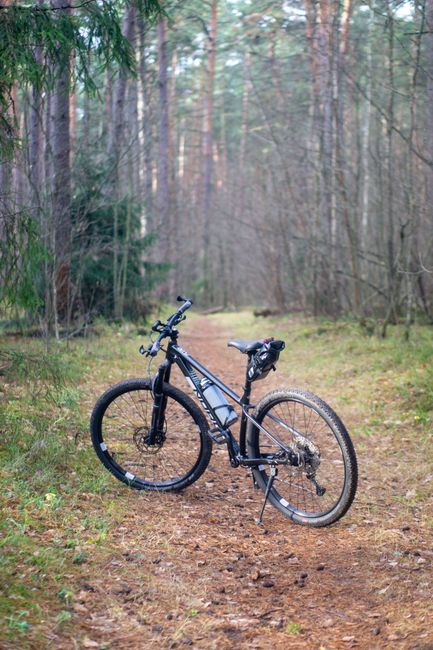
Summer is finally here, and if you are anything like us, you cannot wait to get out and enjoy the trails. There is nothing quite like the feeling of waking up early, packing your gear, and heading out into the sunshine for a day of pure adventure. Growing up riding in the rugged terrain of the Lake District, some of my absolute best memories are from those warm, dusty summer days spent exploring the hills on two wheels. But before you throw your leg over the saddle and fly down your favourite singletrack, it is absolutely essential to make sure your bike is in top condition.
Whether your mountain bike has been tucked away in the garage all winter or you have been grinding through the muddy winter trails, a change in season calls for a thorough, top-to-bottom safety inspection. A well-maintained bike is not just smoother and faster, it is also safe, and when you are flying down a rocky descent, safety is everything. To help you get your ride trail-ready, we have put together this comprehensive summer prep guide based on expert advice. Here are the essential areas you need to check before your next first-class adventure.
1. Tyres: Your Connection to the Trail
Your tyres are the only point of contact between your mountain bike and the dirt, which makes them one of the most critical components to inspect. Start by looking closely at the tread and the sidewalls. Over time, tyres can dry out, leading to small cracks in the rubber, or they can suffer cuts from sharp rocks on the trail. Check the tread depth, because if the central knobs are worn down, you will lose traction on climbs and under braking, which can make for some sketchy moments. If you are running a tubeless setup, remember that tubeless sealant does not last forever. It tends to dry out and clump up inside the tyre over several months, especially during hot summer weather. Pop a section of the bead open to inspect the liquid level, or inject a fresh shot of sealant to ensure you are fully protected against punctures when you hit the trails.
2. Wheels: Keep Things Rolling Smoothly
Once your rubber is sorted, it is time to check your wheels. Lift your bike and give each wheel a spin, watching closely as it rotates. Does it spin freely and straight, or is there a noticeable wobble? A buckled wheel can rub against your frame or fork, and it can seriously affect your handling and braking performance. While the wheel is spinning, listen carefully for any dry grinding noises coming from the hubs, which indicates that your bearings might need fresh grease or replacement. Take a moment to squeeze pairs of spokes together all the way around each wheel. They should all feel firm and evenly tensioned. If you find any loose, broken, or rattling spokes, it is important to address them before a small wobble turns into a major wheel failure. Finally, inspect the rims themselves for any dents or cracks, particularly around the spoke eyelets.
3. Brakes: Stop with Complete Confidence
There is absolutely nothing more important than stopping power when you are out on the trails. Start by looking closely at your brake pads. If the pad material is worn down to less than one millimetre, or if you can see the metal backing spring, it is time for a brand new set. Next, check your brake rotors. They should be clean, free of oil or grease, and completely straight. Give each wheel a spin and listen for any rubbing or scraping sounds. If your rotors are bent, they can be gently aligned using a rotor tuning tool. Pull your brake levers, do they feel firm and responsive, or do they feel soft, spongy, and pull all the way to the grip? Spongy brakes usually mean there are air bubbles trapped in the hydraulic lines, which means they are in desperate need of a professional brake bleed to restore that crisp, confident stopping power.
4. Suspension: Smooth Out the Rough Stuff
A properly set up suspension system makes a massive difference in how your mountain bike handles the bumps and keeps traction. Wipe down the stanchions of your fork and rear shock, looking for any signs of excess oil weeping from the seals, which suggests they might need replacing. Check the rubber O-rings on your stanchions to measure your sag settings, as your suspension pressure might have dropped over time. Adjusting your air pressure and rebound settings to match your riding weight and trail conditions will keep your ride smooth, controlled, and fun.
5. Cockpit: Steering and Control
Your handlebars, stem, and seatpost make up your cockpit, and they need to be completely secure. Stand over your front wheel, hold it tightly between your knees, and try to turn the handlebars. If there is any movement or twisting, your stem bolts are too loose. Inspect your grips to ensure they are not sliding around, and check your seatpost to make sure it adjusts smoothly and is clamped securely at the correct height.
6. Shift and Brake Lines: Clean and Fray-Free
Run your hands along your gear and brake outer housings. Look for any kinks, cracks, or worn patches where the cables might rub against the frame. Take a close look at the exposed inner cables near the derailleurs, checking for any signs of fraying or rust. Frayed cables will cause sluggish, inaccurate shifting, and rusted cables can snap unexpectedly, leaving you stuck in a single heavy gear far from home. Replacing your inner and outer gear cables is a quick, low-cost way to make an older bike shift like brand new.
7. Frame: The Heart of Your Ride
Give your entire frame a thorough wash and a close inspection. Look for any deep scratches, dents, or paint cracks, especially around the high-stress areas like the headtube, the bottom bracket, and the chainstays. Pay close attention to areas where your gear and brake lines run along the frame. Cable rub can wear through paint and even damage aluminium or carbon frames over time. If you notice any wear, applying protective adhesive frame tape is an excellent way to prevent future damage.
8. Drivetrain: Power Your Adventures
A clean drivetrain is a quiet, efficient, and reliable drivetrain. Degrease your chain, cassette, and chainrings to remove any built-up trail grime, then apply a high-quality chain lubricant. Use a chain checker tool to measure stretch, as a worn chain will quickly wear out your expensive cassette and chainrings. Shift through all your gears on a stand, adjusting your derailleur barrel adjusters if you notice any hesitation or skipping.
9. Frame Fasteners: Lock It Down
Mountain biking is a bumpy sport, and all those trail vibrations can slowly loosen the bolts on your bike. Using a proper torque wrench, check the key fasteners on your bike to make sure they are tightened to the manufacturer's exact specifications. Pay special attention to your suspension pivot bolts, brake caliper bolts, stem bolts, and crank arm bolts. Never overtighten them, as this can crush carbon components or strip threads, but ensure they are snug and secure.
10. Your Riding Gear: Safety Beyond the Bike
Your trail preparation does not end with your bike. Take a look at your personal protective gear. Inspect your helmet for any cracks or dents, remembering that helmet foam degrades over time and should be replaced every few years or after any significant crash. Check your riding shoes to make sure the soles still have plenty of grip, and inspect your trail pack to ensure you have your essential trail spares, including a multi-tool, tyre levers, a pump, and a spare inner tube.
Skip the Hassle: Bring It into Simons Bike Shop
We know that running through a detailed ten-point inspection list can feel a bit daunting, and not everyone has a garage full of specialist tools, torque wrenches, and stand space. That is exactly why we are here to help.
At Simons Bike Shop, we want to make sure your ride is as safe, reliable, and fun as possible. If you are in the local area, why not skip the hassle of doing these checks at home? We are offering a completely free, no-obligation in-store safety check-up to anyone who visits the shop. Our experienced workshop team will put your bike on the stand and perform a thorough inspection of all your vital components, including your tyres, wheels, brakes, and fasteners.
While we are checking over your ride, you can enjoy a friendly chat and browse our latest arrivals, including our stunning new summer fleet of ten expertly checked, pre-owned mountain bikes. Whether you are looking to upgrade your ride, find a great deal on a second-hand mountain bike, or just want to make sure your current bike is ready for a summer of adventure, we are here to support you. Pop into the shop today, let us handle the safety checks, and get ready for a summer of first-class adventures!