Spring Trail Conditions: What to Expect and How to Ride Safely | Simons Bike Shop
Spring Trail Conditions: What to Expect and How to Ride Safely
Spring in the UK is a glorious time for mountain bikers. The days are getting longer, the temperatures are climbing, and there's that unmistakable feeling that proper riding weather has finally arrived. But as anyone who's spent time on British trails knows, spring conditions can be wonderfully rewarding and frustratingly challenging in equal measure.
Growing up riding in the Lake District, I learned early on that spring trails demand respect, patience, and a slightly different approach to your riding. Let me share what you can expect as the seasons change, and how to make the most of spring riding whilst keeping yourself and the trails in good shape.
What Spring Really Means for Trail Conditions
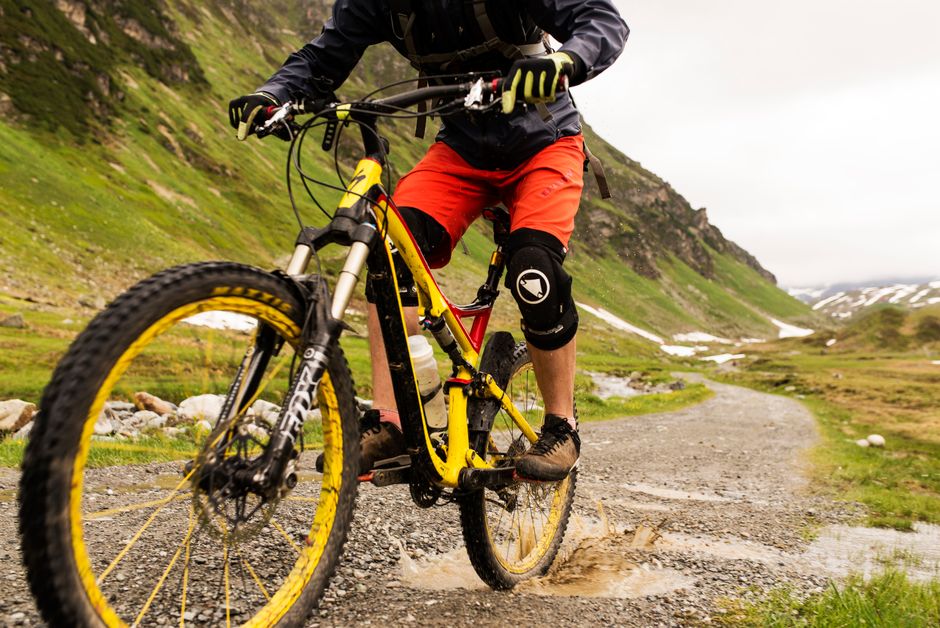
Spring trail conditions are nothing if not variable. You might set out on a sunny morning with trails that seem perfect, only to find sections still waterlogged from recent rain, or discover that what looked dry has turned into a muddy quagmire just beneath the surface.
The ground is transitioning from winter saturation, and this process happens unevenly. South-facing slopes dry out faster, whilst shaded north-facing sections can remain damp for weeks longer. Lower sections often stay wetter, whilst higher terrain might be riding beautifully. Tree cover makes a massive difference too, with open trails drying much faster than those running through dense woodland.
Temperature fluctuations are pronounced in spring. You might have frosty mornings that firm up muddy sections, followed by warm afternoons that turn everything soft again. Overnight temperatures still drop close to freezing, whilst midday can be pleasantly mild. This daily freeze-thaw cycle affects trail surfaces significantly.
Rainfall patterns change as well. Winter's persistent drizzle often gives way to heavier but shorter showers. When these hit already saturated ground, trails can become unrideable remarkably quickly. But they also drain and recover faster than in the depths of winter.
Early Spring: The Waiting Game
March and early April can test your patience. Trails that were rideable in the cold, firm conditions of January and February often become their muddiest as temperatures rise but the ground remains saturated from winter rainfall.
This is when trail erosion risk is highest. Riding wet trails when the ground is soft causes the most damage, cutting ruts and channels that will persist all year. It's frustrating because the weather feels like riding weather, but the trails aren't quite ready.
You'll encounter standing water, proper mud that clings to everything, soft soil that churns under your tyres, boggy sections that seem bottomless, and trail surfaces that are genuinely slippery rather than just damp.
This is also when trail builders and maintenance volunteers are wincing every time they see tyre tracks across sensitive sections. The work they do repairing spring damage takes hours, and it's largely preventable if riders show patience and make good decisions about when and where to ride.
Late Spring: Conditions Improve
As we move towards May, things generally improve significantly. The ground starts properly draining, vegetation growth helps stabilise soft sections, longer periods between rainfall allow trails to dry out, and higher temperatures genuinely start drying the soil rather than just warming up the mud.
This is when spring riding becomes genuinely brilliant. Trails have grip again, roots and rocks aren't quite so slippery, and you can start pushing your riding without worrying constantly about destroying the trail surface.
But it's still variable. A heavy rainstorm can set things back for days, and shaded sections might remain problematic well into late spring. You need to stay alert and adaptable.
Reading the Conditions
Learning to assess trail conditions before you ride saves a lot of grief. Here's what I look for:
Check recent weather, not just the last day or two but the previous week or more. Trails need sustained dry periods to properly recover from wet conditions. If it's been consistently wet, they'll still be vulnerable even if today looks nice.
Look at the forecast too. If rain is due later, consider whether you'll get back before conditions deteriorate. Spring weather can turn quickly.
When you arrive at the trailhead, do a quick inspection of the car park and initial trail section. If there are puddles everywhere and your feet sink into soft ground just walking about, the trails will be worse. If the surface feels firm underfoot and drainage is working, conditions are probably decent.
Pay attention to what other trail users report. Local riding groups and forums often share condition updates. If experienced locals are saying trails need more time, believe them.
Adapting Your Riding Style
Spring conditions demand adjustments to how you ride. Smoothness becomes even more important than usual. Aggressive braking churns up soft surfaces, hard acceleration spins tyres and digs ruts, and sudden direction changes can tear up trail edges.
Focus on flowing through sections rather than fighting them. Carry momentum where you can, brake earlier and more progressively, and choose your lines carefully to avoid the softest ground.
When you encounter mud, commit to your line rather than dabbing or stopping. A smooth pass through causes far less damage than repeated wheel spin or foot dabs. If a section looks genuinely dire, consider walking it rather than churning it up further.
On wet roots and rocks, your usual lines might not work. Wet timber is remarkably slippery, and even textured rock becomes treacherous when wet. Give yourself more time, stay light on the bike, and don't be afraid to take alternative lines or simply walk technical features that would be rideable in dry conditions.
Descending in spring conditions requires particular care. Braking distances increase significantly, grip levels are unpredictable, and consequences of getting it wrong are higher when everything's slippery. Reign in your speed, stay centred on the bike, and keep your vision up to spot problems early.
Trail Etiquette in Spring
This is when trail etiquette really matters. The decisions we make as riders directly impact trail condition for the entire season ahead.
The fundamental rule is simple: if you're leaving deep ruts or causing visible damage, you shouldn't be riding that trail. Yes, tyres will leave marks, but there's a difference between surface impressions and destructive rutting.
Avoid sensitive trails in the early season. Many trail centres will close specific trails until they've dried sufficiently. Respect these closures, they're not arbitrary. Natural trails on soft ground are particularly vulnerable, stick to hardened surfaces and purpose-built trails when conditions are marginal.
If you come across trail maintenance work or closure signs, respect them. Trail builders aren't trying to spoil your fun, they're trying to preserve trails for everyone's long-term enjoyment.
When you encounter walkers, runners, or horse riders on multiuse trails, give them space and be courteous. Spring brings everyone outdoors, and how mountain bikers are perceived depends on these interactions. A friendly greeting and a bit of patience goes a long way.
Bike Setup for Spring Conditions
Your bike setup can help you cope better with spring conditions. Tyre choice makes an enormous difference. Consider wider tyres for better flotation over soft ground, more aggressive tread patterns for muddy conditions, and slightly lower pressures for improved grip, though not so low that you're vulnerable to pinch flats on hidden rocks.
Muddy tyres are slippery tyres. If your tread is completely clogged, you've essentially got slick tyres. Consider whether mud-specific tyres make sense for your local conditions.
Suspension setup might need adjustment. Softer ground means less harsh impacts, but it also means less predictable traction. You might want slightly more compression damping to prevent the bike feeling vague, and rebound settings that keep the wheels tracking the ground.
Your drivetrain will take a hammering in muddy spring conditions. Keep it clean and well-lubricated, use a wet lube designed for these conditions, and inspect your chain regularly for wear. Spring riding accelerates drivetrain wear significantly.
Brakes need extra attention too. Clean your rotors and pads regularly, muddy conditions reduce braking power, and wet weather can cause contamination issues. If your brakes start feeling inconsistent, address it immediately.
Maintenance After Spring Rides
Post-ride maintenance is crucial in spring. The mud and grit that accumulates acts like grinding paste on your components if left to dry on.
As soon as you finish riding, hose off the worst of the mud. You don't need a full deep clean every time, but removing the bulk of the dirt prevents it drying on and becoming much harder to clean later.
Pay particular attention to the drivetrain. Clean your chain, cassette, and chainrings properly. Re-lube once everything's dry. A clean drivetrain lasts dramatically longer than a neglected one.
Check your brake pads for contamination and your rotors for build-up. Muddy rides can introduce contaminants that cause brake fade or squealing.
Inspect your fork stanchions and rear shock. Wipe them down to prevent dirt getting past the seals. Spring riding is particularly hard on suspension seals due to the combination of grit and moisture.
Look over your frame for any new damage, and touch up paint chips before they rust. Spring's moisture accelerates corrosion on any exposed metal.
Safety Considerations
Spring riding brings specific safety considerations beyond normal trail riding. Unpredictable grip means crashes are more likely, so consider whether you need more protective gear than you might wear in summer. Knee and elbow pads become more appealing when you know you might be sliding through mud.
Colder temperatures, especially in early spring, mean you need to dress appropriately. You'll warm up quickly whilst riding, but if you have a mechanical or injury that forces you to stop, you can get cold remarkably fast. Carry an extra layer.
Daylight hours are still shorter than summer, so if you're riding after work, make sure you have lights. Spring evenings can close in quickly, especially in wooded areas or if weather closes in.
Trail surfaces can hide hazards. What looks like a puddle might be a deep hole, and mud can conceal rocks, roots, or other obstacles. Stay alert and don't assume you know what's under the surface.
Ride with others when possible, or at least tell someone where you're going and when you expect to be back. Mobile signal can be patchy in the best riding areas, and if you have a problem, it's good to know someone will raise the alarm if you don't return.
Making the Most of Good Days
When you get those perfect spring days, and they do come, make the most of them. There's something magical about spring trail riding when conditions align. The trails have grip, the temperature's comfortable, the scenery's coming back to life with fresh green growth, and you've got that sense of possibility that comes with a new season.
These are the days that remind you why you love mountain biking. The bike feels playful and responsive, you're riding smoothly and confidently, and everything just works.
Don't waste these days. Get out and ride. Explore new trails, session that technical section you've been working on, or just enjoy a long, flowing ride through beautiful countryside. These perfect spring days are precious because you know they might be followed by a week of rain that puts everything back to square one.
Local Knowledge Matters
Every riding area has its own character in spring. Some regions drain beautifully and are rideable quickly after rain. Others, particularly areas with clay soil or poor natural drainage, can stay wet for extended periods.
Get to know your local trails and how they respond to spring conditions. Learn which trails dry first and which stay wet longest. Understand which trail builders prefer riders to avoid certain trails until specific dates, and which trails are built to withstand year-round riding.
This knowledge builds over seasons. Pay attention, make notes mentally or literally, and each year your understanding improves. You'll develop a sense for when your local trails will be rideable based on weather patterns and time of year.
The Lake District Spring Experience
Growing up riding in the Lake District gave me a thorough education in spring trail conditions. The Lakes can be absolutely stunning in spring, with the fells coming back to life, waterfalls running full, and that incredible light you get on clear spring days.
But the trails can also be absolutely brutal. The combination of altitude, exposure to weather, and often poor drainage means many natural trails stay wet well into late spring. You learn patience, you learn to read conditions carefully, and you learn that sometimes the right decision is to ride somewhere else or wait another week.
What I learned there applies everywhere though. Respect the trails, ride appropriately for conditions, be patient in early season, and when it's good, really appreciate it.
Looking Ahead to Summer
The effort you put into riding responsibly in spring pays off all year. Trails that are protected during vulnerable spring conditions recover better, drain better, and ride better through summer and autumn.
Your bike, properly maintained through the harsh spring conditions, will be in great shape for the drier months ahead. The fitness and skills you build in challenging spring conditions mean you'll be riding stronger when summer arrives.
And the patience you show in early spring means you'll enjoy trails that are in better condition because riders collectively made good decisions about when and how to ride.
Final Thoughts
Spring trail riding is a balancing act. We're excited to get back out there properly after winter, but we need to temper that enthusiasm with consideration for trail conditions and long-term sustainability.
Adapt your riding style, choose appropriate trails for the conditions, maintain your bike properly, and show patience when trails need more time to dry. Do this, and spring riding can be absolutely brilliant.
If you need help getting your bike properly prepared for spring conditions, or advice on setup for the riding you're planning, that's exactly what we're here for at Simons Bike Shop. Our workshop can ensure your bike is ready for whatever spring throws at it, and we're always happy to share advice based on years of riding in all conditions.
The trails are waiting, spring is here, and with the right approach, you're going to have a fantastic season ahead. Ride safely, ride responsibly, and enjoy every moment out there.