Spring Bike Maintenance Checklist | Expert Guide | Simons Bike Shop
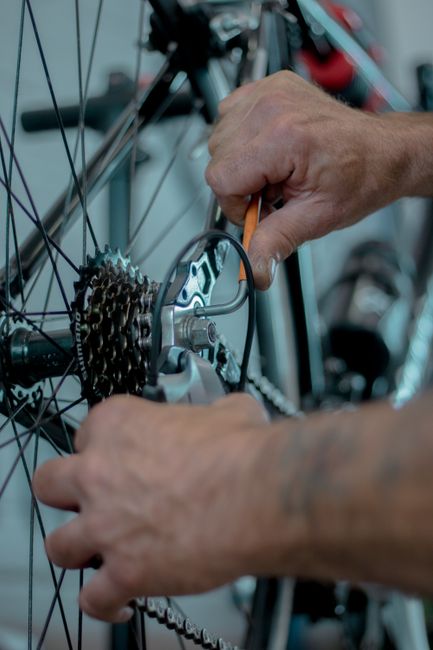
Your Complete Spring Bike Maintenance Checklist: Get Trail-Ready for the Season
Spring has arrived, and if you're anything like me, you're itching to get back on the trails. After growing up riding in the Lake District during mountain biking's early days, I've learned that the transition from winter to spring is one of the most exciting times of the year for riders. But before you head out to enjoy those longer days and blooming trails, there's one crucial step you shouldn't skip: giving your bike the attention it deserves.
Whether your bike has been stored away all winter or you've been braving the cold months, spring is the perfect time for a thorough check-up. At Simons Bike Shop, every bike that comes through our doors receives a comprehensive safety check in our in-house workshop. Today, I'm sharing that same expertise with you, so you can ensure your bike is as ready for spring adventures as you are.
Why Spring Maintenance Matters
Winter riding and storage can be tough on your bike. Salt on the roads, mud on the trails, fluctuating temperatures, and moisture all take their toll. Components that seemed fine in autumn might have deteriorated over the colder months. Spring maintenance isn't just about making your bike look good, it's about ensuring your safety on the trails and extending the life of your bike.
Think of it as your bike's MOT. You wouldn't drive a car without proper checks, and the same principle applies to your mountain bike, especially when you're tackling technical trails.
Brake Checks: Your First Priority
Let's start with the most critical safety component: your brakes. I always begin here because reliable braking can be the difference between a close call and a serious accident.
For Disc Brakes:
- Inspect the brake pads for wear. If they're less than 1mm thick, replace them.
- Check the rotors for warping by spinning the wheel and watching for wobble.
- Look for oil contamination on pads or rotors (they'll appear shiny or discoloured).
- Test the brake lever feel. It should be firm, not spongy. Sponginess often indicates air in the system or worn pads.
- Listen for unusual noises when braking, squealing or grinding means attention is needed.
For Rim Brakes:
- Check pad wear and alignment with the rim.
- Inspect cables for fraying or corrosion.
- Ensure the brake arms move freely without sticking.
If you're not confident working on brakes yourself, this is exactly the kind of check our in-house workshop specialises in. Brakes are non-negotiable when it comes to safety.
Tyre Pressure for Spring Conditions
Spring trails are unique. You'll encounter everything from dry, hardpack sections to muddy patches where winter's moisture lingers. Getting your tyre pressure right makes a massive difference to grip, comfort, and puncture resistance.
General Guidelines:
- For mixed spring conditions, start around 25-30 PSI for tubeless setups (adjust based on your weight and riding style).
- Lower pressure provides better grip on muddy or loose sections but increases puncture risk.
- Higher pressure works well on drier trails and reduces rolling resistance.
Spring-Specific Tips:
- Check pressure before every ride, temperature changes affect it significantly.
- Inspect tyres for cuts, tears, or embedded debris from winter riding.
- Consider slightly lower pressure for wet conditions to maximise tread contact.
- If your tyres are showing significant wear, spring is an ideal time to replace them before the busy summer season.
Remember, the right pressure is personal. Experiment within safe ranges to find what works for your local trails and riding style.
Drivetrain Cleaning After Winter
If there's one area that suffers most over winter, it's your drivetrain. Mud, grit, and moisture create a grinding paste that accelerates wear on your chain, cassette, and chainrings.
Deep Clean Process:
- Degrease thoroughly - Use a quality degreaser and a brush to remove all the winter grime. Pay special attention to the chain, cassette, and derailleur pulleys.
- Inspect the chain - Use a chain wear indicator tool. If it's stretched beyond 0.5% (or 0.75% for 11-speed and above), replace it. A worn chain damages your cassette and chainrings.
- Check the cassette teeth - Look for shark-fin shaped teeth or excessive wear. If your chain is worn, the cassette likely needs replacing too.
- Clean the chainrings - Remove built-up dirt and check for bent or damaged teeth.
- Lubricate properly - Once everything is clean and dry, apply appropriate lubricant. For spring's variable conditions, a wet lube often works best.
A clean drivetrain doesn't just perform better, it lasts significantly longer. The investment in cleaning products pays for itself many times over.
Suspension Settings for Varied Spring Terrain
Spring trails are wonderfully diverse, but that variety demands suspension that's properly set up. Winter storage can affect seals and performance, while your suspension settings from last season might not suit current conditions.
Front Suspension (Forks):
- Check air pressure matches your weight and riding style (consult your fork's manual).
- Inspect seals for dirt, damage, or oil leakage.
- Cycle the fork through its travel, it should move smoothly without sticking.
- Adjust rebound damping for spring conditions (often slightly faster than winter settings).
- Consider a lower-volume service if the fork feels harsh or unresponsive.
Rear Suspension:
- Set sag to manufacturer recommendations (typically 25-30% of travel).
- Check all pivot points and linkages for play or unusual movement.
- Inspect the shock for oil leaks around seals.
- Adjust compression and rebound to suit varied spring terrain.
If your suspension hasn't been serviced in 12 months or 100+ riding hours, spring is the perfect time to book it in. At Simons Bike Shop, we ensure every second-hand bike's suspension is checked and functioning properly before it leaves our workshop, because we know how critical it is to your riding experience.
Essential Safety Checks
Beyond the major systems, these quick safety checks take minutes but could save you from a trailside mechanical or worse.
The ABC Quick Check:
- A is for Air - Check tyre pressure and condition.
- B is for Brakes - Test lever feel and pad condition.
- C is for Chain - Inspect for wear and ensure proper lubrication.
Additional Safety Points:
- Headset - Hold the front brake and rock the bike. Any knocking indicates a loose headset.
- Wheels - Spin them and check for wobbles or loose spokes. Grab the rim and try to move it side-to-side to check hub bearings.
- Bottom bracket - Hold the cranks and try to rock them laterally. Movement means worn bearings.
- Bolts - Check all key bolts are properly tightened (stem, handlebars, seat post, brake calliper mounts). Use a torque wrench for critical components.
- Pedals - Ensure they spin freely and aren't loose on the crank arms.
- Gear shifting - Run through all gears. Sluggish or imprecise shifting often indicates cable stretch or derailleur adjustment needs.
When to Seek Professional Help
I've been working on bikes for decades, but I still know when something needs professional attention. Here's when you should consider bringing your bike to experts:
- Brake bleeding or hydraulic work if you're not experienced.
- Suspension servicing beyond basic air pressure adjustments.
- Wheel building or truing if you notice significant wobbles.
- Bottom bracket or headset bearing replacement.
- Any issue where you're not confident in your diagnosis or repair.
At Simons Bike Shop, our in-house workshop performs thorough safety checks on every bike we sell because we understand that confidence in your equipment transforms your riding experience. That same expertise is available if you need help preparing your bike for spring.
Make Spring Riding Safe and Enjoyable
Spring offers some of the most rewarding riding of the year. The trails are coming alive, the weather is improving, and there's a fresh energy in the air. But that enjoyment depends on having a bike you can trust.
Whether you're riding a bike you've owned for years or you're considering one of our expertly checked second-hand mountain bikes, taking the time for proper maintenance ensures you're ready for whatever the trails throw at you.
My mission has always been to share the joy of mountain biking that I discovered growing up in the Lake District. Part of that joy comes from the confidence of knowing your bike is safe, reliable, and performing at its best.
This spring, don't just dream about those trail adventures, make sure your bike is ready to take you there safely. If you need any advice, have questions about maintenance, or want a professional eye on your bike before the season kicks off properly, our workshop is here to help.
Now get out there and enjoy those spring trails. They're waiting for you.
At Simons Bike Shop, we specialise in providing safe, expertly maintained second-hand mountain bikes. Every bike receives thorough safety checks in our in-house workshop, so you can ride with confidence. Visit us to find your next spring adventure.