Beginner's Guide to Mountain Biking This Spring | Simons Bike Shop
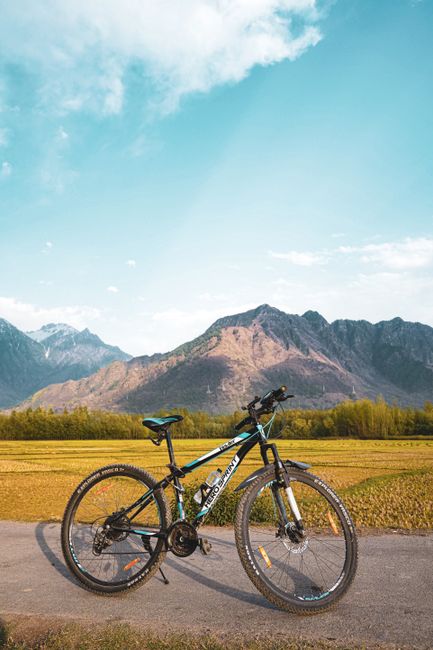
Beginner's Guide: Getting Started with Mountain Biking This Spring
Spring is finally here, and if you've been thinking about getting into mountain biking, there's honestly no better time to start. The weather's improving, the trails are calling, and there's something genuinely special about discovering this sport when the whole riding season stretches out ahead of you.
I've been riding mountain bikes since I was a kid in the Lake District, back when the sport was just getting started. Over the years, I've watched countless people discover the joy of trail riding, and I can tell you this: the best time to start is always now. Whether you're 18 or 55, whether you're super fit or just looking to get more active, mountain biking has something to offer you.
Let me walk you through everything you need to know to get started this spring.
Why Spring Is Perfect for Beginners
Timing really does matter when you're starting a new sport, and spring offers some genuine advantages for newcomers to mountain biking.
First off, the weather's on your side. You're not dealing with the scorching heat of summer or the brutal cold of winter. Spring temperatures are generally comfortable for physical activity, meaning you won't be suffering while you're learning new skills and building fitness.
The days are getting longer too, which gives you more flexibility about when you ride. You can finish work and still have plenty of daylight for an evening trail session. That flexibility makes it much easier to fit riding into your life and build consistency.
Spring also means you've got the entire riding season ahead of you. Start now, and by summer you'll have developed solid skills and confidence. You'll be ready to tackle more challenging trails and longer rides when the weather's at its best.
Plus, there's something motivating about starting something new as nature itself is waking up. The trails are coming alive, other riders are getting back out there, and there's a genuine sense of excitement in the air. It's infectious, and it'll help carry you through those first few rides when everything feels new and slightly overwhelming.
What to Look for in Your First Mountain Bike
Choosing your first mountain bike can feel daunting, especially when you start researching and discover there are about seventeen different types of mountain bike, each with their own geometry, wheel size options, and component specifications. Let me simplify this for you.
For most beginners, a hardtail mountain bike (that's one with front suspension but no rear suspension) makes perfect sense. They're more affordable, easier to maintain, teach you good riding technique, and are genuinely capable on a huge range of trails. You don't need a full suspension bike to have brilliant adventures.
Look for something with decent quality components. You don't need top-of-the-range kit, but you do want reliable brakes, gears that shift smoothly, and suspension that actually works. Budget bikes with really cheap components will frustrate you and potentially put you off the sport.
Fit matters enormously. A bike that's the wrong size will be uncomfortable and harder to control. Most manufacturers provide size guides based on your height, but if possible, try before you buy. You should be able to stand over the frame with a bit of clearance, reach the handlebars comfortably, and feel balanced on the bike.
Wheel size is another consideration you'll encounter. Most modern mountain bikes come with either 27.5-inch or 29-inch wheels. For beginners, either works brilliantly. Don't overthink this one, focus on getting a bike that fits well and is within your budget.
Why Second-Hand Makes Sense for Beginners
Here's something I tell every newcomer who walks into Simons Bike Shop: you absolutely do not need to spend thousands on a brand new bike to get started in mountain biking.
Quality second-hand mountain bikes offer exceptional value, especially for beginners. You can get a bike with better components, a better frame, and better overall capability than you could afford brand new at the same price point. We're talking bikes that originally cost £2,000 or more, available for a fraction of that price.
For beginners specifically, second-hand makes even more sense because you're still figuring out exactly what kind of riding you enjoy. You might discover you love cross-country riding, or perhaps you're more into technical trails, or maybe you just want gentle forest paths. Starting with a quality second-hand bike lets you explore without the financial pressure of a massive investment.
There's also the psychological aspect. As a beginner, you're probably going to drop your bike a few times, scratch it on rocks, and generally give it some character marks as you develop skills. It's far less stressful doing that to a second-hand bike than to a brand new one you've just spent your savings on.
The key is buying from somewhere that properly checks and prepares second-hand bikes. At Simons Bike Shop, every bike gets comprehensive safety checks from our in-house workshop. We inspect everything that matters, brakes, drivetrain, suspension, frame integrity, tyre condition, and more. When you collect your bike from us, it's genuinely trail-ready and safe to ride. You get all the value of second-hand with none of the worry about unknown history or hidden problems.
Plus, every bike comes with our guarantee and a free service included, giving you that extra peace of mind as you're starting out.
Essential Skills and Techniques
Mountain biking isn't like riding on roads. The terrain is constantly changing, you need to use your body differently, and there are some fundamental techniques that'll make your life much easier once you learn them.
Start with body position. On flat, smooth terrain, you'll ride in a neutral position, pedals level, elbows slightly bent, looking ahead. When things get rough or steep, you need to move around on the bike. On descents, shift your weight back and lower your body. On climbs, move forward to keep weight over the front wheel for traction and steering.
Looking ahead is absolutely crucial. Your bike tends to go where you're looking, so if you stare at that rock you're trying to avoid, you'll probably hit it. Train yourself to look where you want to go, not at obstacles you want to miss.
Braking technique matters more than you might think. Use both brakes, but your front brake provides most of your stopping power. Learn to modulate your braking, squeezing gradually rather than grabbing handfuls of brake. And crucially, do most of your braking before corners and obstacles, not during them.
Corners themselves take practice. The basic technique is to look through the corner to where you want to exit, weight the outside pedal (pedal down on the outside of the turn), lean the bike more than your body, and stay relaxed. This feels weird at first but becomes natural with practice.
For obstacles like roots and rocks, momentum is your friend. Maintain steady speed, stay light on the bike, and let the suspension do its job. Trying to tiptoe over obstacles at walking pace is actually harder than riding them with a bit of confidence.
The best way to develop these skills? Ride regularly, start on easier trails and gradually progress, watch more experienced riders, and don't be afraid to get off and walk sections that feel beyond your current ability. There's no shame in that, it's smart riding.
Local Trail Recommendations
Where you ride makes a huge difference to your experience as a beginner. You want trails that are well-maintained, not too technical, and ideally have some variety so you can gradually challenge yourself.
If you're anywhere near the Lake District, you're genuinely spoiled for choice. Whinlatter Forest has brilliant waymarked trails perfect for beginners, with good surfaces and manageable gradients. Grizedale Forest is another excellent option with purpose-built mountain bike trails at various difficulty levels.
For those not near the Lakes, look for local trail centres or forestry commission sites. These typically have graded trails (green for easiest, then blue, red, and black), proper signage, and maintained surfaces. They're perfect learning environments.
Bridleways and byways can also offer excellent beginner riding, often with less technical terrain and beautiful scenery. Check local maps and cycling route websites for options in your area.
Joining a local riding group or finding a mountain biking club can be invaluable for discovering the best local trails. More experienced riders know which routes work well for newcomers and can guide you to the good stuff while helping you avoid anything too intimidating.
Start with shorter rides, maybe an hour or so, and gradually build up distance and difficulty as your fitness and skills improve. There's no rush. Mountain biking should be enjoyable, not a sufferfest.
Essential Gear Beyond the Bike
You've got your bike sorted, but what else do you actually need? Let me break down the essentials from the nice-to-haves.
Absolute essentials:
A helmet is non-negotiable. Get a proper mountain bike helmet that fits correctly and meets safety standards. This is the one piece of kit you absolutely cannot compromise on.
Gloves make a massive difference to comfort and grip. Even basic cycling gloves will protect your hands from blisters and give you better control.
Appropriate footwear matters. You don't need fancy clipless shoes and pedals as a beginner. Sturdy trainers with good grip work perfectly fine. Just avoid anything with smooth soles that'll slip off the pedals.
Eyewear protects your eyes from mud, insects, branches, and debris kicked up by your wheels. Even basic glasses or sunglasses help.
A basic puncture repair kit, pump or CO2 inflator, and multi-tool mean you can handle common mechanical issues on the trail. Learn how to use these before you need them in anger.
Water. Obvious but crucial. Even on short rides, take water with you.
Nice to have as you progress:
Padded shorts or liners make longer rides more comfortable. You don't need these immediately, but they're worth considering once you're riding regularly.
Knee pads offer protection and confidence, especially as you progress to more technical trails.
A small backpack lets you carry extra layers, food, tools, and emergency supplies on longer rides.
Proper mountain bike shoes and pedals improve efficiency and control, but this is an upgrade to consider once you're confident you're sticking with the sport.
The key is not to feel you need everything immediately. Start with the safety essentials and add gear as you discover what would genuinely improve your riding experience.
Building Confidence
Here's something important I've learned from years of introducing people to mountain biking: confidence comes from successful repetition, not from throwing yourself at scary stuff and hoping for the best.
Start on easy trails where you feel comfortable and in control. Ride them multiple times. As features that initially seemed challenging become routine, your confidence naturally grows. Then you're ready to try something slightly harder.
Don't compare yourself to other riders, especially experienced ones who make difficult sections look effortless. They've probably ridden that trail fifty times. You're on your own journey, and progress at your own pace is still progress.
Celebrate the small victories. The first time you clear a section you previously walked, the first time you ride for two hours without stopping, the first proper corner you nail perfectly, these moments matter. Acknowledge them.
Riding with others can really help build confidence, but choose your riding partners carefully at first. Riding with someone supportive who'll wait for you and offer encouragement is brilliant. Riding with someone who disappears into the distance and makes you feel slow is counterproductive.
Remember that every experienced rider was once exactly where you are now. Everyone started as a beginner. The riders you see flowing down trails with apparent ease have put in hours and hours of practice. Give yourself time.
Most importantly, make sure you're enjoying it. If you're constantly terrified or feeling pressured, you're probably pushing too hard. Dial it back to terrain where you can relax and have fun. Mountain biking should be joyful.
The Role of Good Maintenance
As a beginner, you might not think much about bike maintenance, but establishing good habits early makes a genuine difference to your riding experience.
After muddy rides, clean your bike. You don't need to be obsessive, but getting the worst of the mud off prevents it from working into components and causing wear. A quick rinse and wipe down takes five minutes.
Check your tyres regularly for pressure, tread wear, and damage. Proper tyre pressure makes bikes handle better and reduces puncture risk.
Listen to your bike. Unusual noises often indicate something needs attention. Squealing brakes might need new pads. Clicking or grinding from the drivetrain suggests it needs cleaning or adjustment. Catching small issues early prevents them becoming big problems.
Bring your bike in for regular servicing. Even if everything seems fine, professional checks ensure safety-critical components are in good condition. At Simons Bike Shop, we'll spot potential issues before they cause problems and keep your bike running smoothly.
Proper maintenance isn't just about making your bike last longer, although it does. It's about ensuring every ride is enjoyable and safe. A well-maintained bike is more reliable, performs better, and gives you confidence to focus on riding rather than worrying about whether something's about to break.
Why Simons Bike Shop Welcomes Beginners
I started Simons Bike Shop because I wanted to make mountain biking accessible to more people. Growing up in the Lake District and discovering this sport as a kid genuinely changed my life, and I want others to have that same opportunity.
When you walk into our shop as a beginner, you won't get technical jargon or pressure to buy the most expensive option. You'll get honest advice about what actually makes sense for your needs, your budget, and your goals. We're here to help you get started properly, not to maximise our profit on one sale.
Every second-hand bike we sell has been thoroughly checked by our in-house workshop. We're confident in what we're selling because we've inspected it ourselves. That confidence passes to you, our customer.
We understand that starting something new can feel intimidating, especially when there's so much information and so many options. Our approach is friendly, approachable, and down-to-earth. Ask what you need to ask, even if it seems basic. There are no silly questions here.
And we're not just here for the initial sale. When you buy from us, you get a guarantee and a free service included. If you have questions as you start riding, need advice about progressing, or want to chat about local trails, we're here for that too.
Mountain biking is brilliant. It's exercise that doesn't feel like work. It's adventure on your doorstep. It's stress relief and fresh air and proper fun. Everyone deserves the chance to discover this, regardless of age, fitness level, or budget.
Your Next Steps
If you've read this far, you're clearly interested in getting started with mountain biking this spring. That's brilliant, and I'm genuinely excited for you.
Here's what I'd suggest as your next steps:
First, sort out your bike situation. Whether that's visiting us at Simons Bike Shop to see what quality second-hand options we have, or exploring other routes, getting a proper bike that fits well and is in good condition is your foundation.
Whilst you're waiting for the right bike, you can prepare in other ways. Research local trails suitable for beginners. Look into local riding groups or clubs. Start building your fitness with cycling, walking, or other exercise.
Once you've got your bike, start simple. Find an easy trail or quiet off-road path and just ride. Get comfortable with the bike, practice the basic techniques I've mentioned, and enjoy being out there.
Gradually build up your riding. More distance, slightly more technical terrain, different trail conditions, each ride is an opportunity to develop your skills and confidence.
Don't overthink it. Mountain biking is ultimately simple, you, a bike, and trails to explore. Everything else is just details.
Spring Is Calling
The trails are waiting. The weather's improving. Spring 2026 is your opportunity to discover something genuinely brilliant.
Mountain biking offers adventure, fitness, stress relief, and pure fun. It connects you with the outdoors in a way that few other activities manage. It's challenging without being impossible, accessible without being boring.
Whether you're 18 and looking for a new hobby, or 55 and wanting to get more active, mountain biking welcomes you. The community is generally friendly and supportive. The sport scales from gentle trail riding to full-on technical challenges, so there's always progression available.
Starting as a beginner this spring means you've got the whole season ahead to develop skills and explore trails. By summer, you'll be riding with confidence. By autumn, you'll be tackling terrain that would have seemed impossible in March.
At Simons Bike Shop, we're here to help you get started properly. Quality second-hand bikes, thorough safety checks, honest advice, and genuine support. We want you to love this sport as much as we do.
Second-hand bikes, first-class adventures. That's what we're about, and that's what we want for every rider who comes through our doors.
Get in touch, let's get you sorted with a bike, and let's get you out on the trails this spring. The adventure starts now.